1 Sep 2025
2025 Safeguarding Policy with updates and English, Scottish & Welsh Appendices
Our template policies have now been updated. Churches and charities with a paid membership at Gold level can access them…
Read more
Enter keywords in the box below:

1 Aug 2025
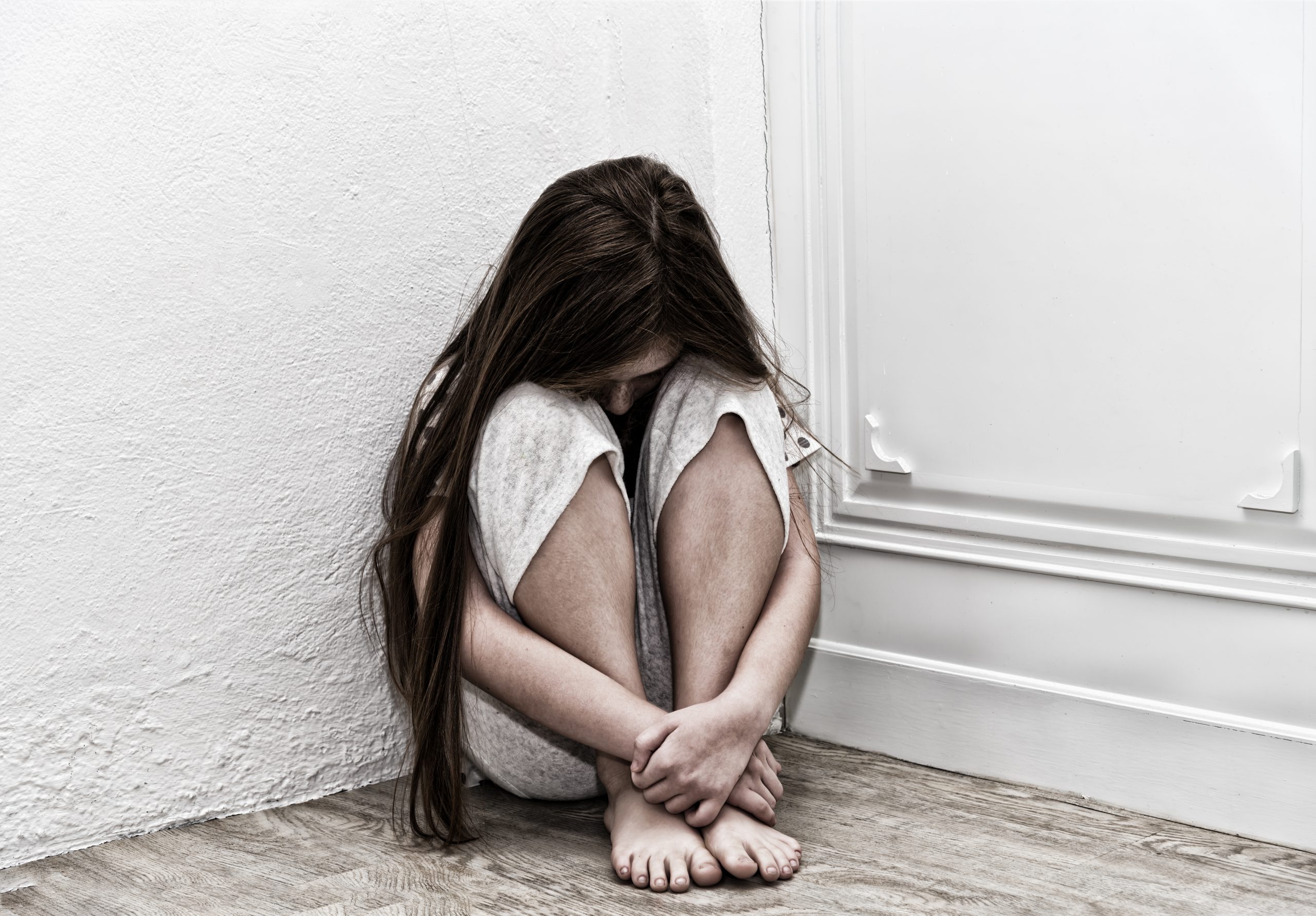
A parent or carer has a duty to take care of a child’s basic needs, which includes providing food, shelter and clothes, and keeping the child clean and hygienic. A failure to meet these basic needs is physical neglect.
The inability to provide a child with food may manifest in the child seeming thin and hungry attending school/Sunday school having had no breakfast, or when at school with no packed lunch or money to buy food. The consequences can be very harmful; malnourishment in babies and young children can cause lasting damage to brain development, resulting in lower brain functioning.
The physical neglect of a child may lead to inadequate levels of hygiene, or they could turn up to school on a cold day with no warm layers of clothing. Their clothes may be unwashed, poorly fitting or may have holes. Their home environment may be dirty and unhygienic, or cold and damp.
Failing to keep a child safe from danger also counts as physical neglect. For example, if a parent were to let a very young child walk around town on their own, or if they were to leave them home on their own **unsupervised, this is classed as physical child neglect.
When medical neglect occurs, children are denied the medical care they need to treat a condition or prevent an illness from worsening. A child may be repeatedly refused medical care for an ongoing condition or may only be denied for a one-time instance of required medical care. Failing to secure medical attention for an injured child or withholding care with the intent to cause death are both examples of medical neglect. It is an offence to deny a sick child medical attention.
It’s the responsibility of a parent or carer to ensure that a child receives adequate health and dental care; failure to do so is a form of neglect.
For example, a child’s injuries, health issues or dental problems may go untreated, or the child may suffer from repeated illnesses and conditions such as skin sores, ringworm or rashes. They may be anaemic or always tired, and they may not receive the medication they need for a particular condition. They may be small for their age and could lag behind their peers with literacy and social skills.
Medical neglect also includes ignoring the advice of a doctor or dentist, refusing to allow a child to be treated and not taking children to routine appointments such as vaccinations.
Supervisory neglect occurs when the adult responsible for a child either fails to supervise and keep the child from being harmed or fails to have someone else supervise the child and keep him or her from harm. This type of neglect can occur continually or only happen one time. Two examples of supervisory neglect include failing to supervise a child around weapons and other dangerous circumstances and leaving a child with an impaired caregiver.
This form of neglect is related to both physical neglect and supervisory neglect, but it occurs when children’s home environments are filthy. Rotting food may be left out, there may be infestations of rats or cockroaches, and children may regularly come to school in dirty clothing. Some professionals group environmental neglect with physical neglect.
Educational neglect is when children are not given access to education. Examples of educational neglect include parents failing to register children for school or parents making children stay home from school to ensure that they don’t report the abuse they experience at home.
Depriving your child of an education is against the law, so if a parent fails to send their child to school, or fails to take action to prevent truancy, they could be guilty of educational neglect.
However, it’s not illegal to take a child out of school if the parents or carers are providing them with an alternative education; that is, teaching them at home and having told the child’s school of their intentions (and the council, if the child is in a special educational needs school).
Local councils may make regular informal checks on parents who are homeschooling their child to ensure that parents and carers are meeting the child’s educational needs; if the council finds evidence of educational neglect, they can issue parents with a school attendance order.
Emotional neglect occurs when children are deprived of their emotional needs (forming secure, positive attachments with adults). Some researchers group emotional neglect with other types of neglect. Parents may struggle to meet children’s emotional needs due to a variety of reasons, such as depression or drug and alcohol abuse. A few examples of emotional neglect include humiliating a child, rejecting a child, or giving bizarre forms of punishment.
As well as physical and educational, and if parents and guardians don’t meet these requirements, it is known as emotional neglect. Emotional neglect could mean that a child isn’t getting the amount of attention, stimulation or affection that they need from a parent or carer, but it can also be more calculated than that.
For instance, a parent or carer may routinely scare the child, or humiliate them, or lock them away without human interaction. Emotional neglect can result in long-lasting mental health problems and can lead to issues maintaining healthy relationships with partners, friends or even their children when they reach adulthood. Unfortunately, emotional neglect is tough to prove, because it’s often one person’s word against another.
** There’s no legal age a child can be left home alone. Every child matures differently, so it would be almost impossible to have a “one size fits all” law.
However, parents and carers are responsible for keeping their children safe. If leaving your child home alone puts them at risk of harm – because they’re too young to care for themselves for example – the law might consider this neglect.
A child who isn’t old enough or who doesn’t feel comfortable should never be left home alone. If this is the case, it’s best to look into childcare options that might work for your family.

Our template policies have now been updated. Churches and charities with a paid membership at Gold level can access them…
Read more
Train the Trainer - Investing in your own people This Train the Trainer programme is designed for churches and organisations…
Read more
Please download the guide to help you as Lead administrator or ID verifier navigate the DBS system. You can also…
Read more
Common questions for CSS (Final)Download
Read more
DBS reprint If one of your volunteers doesn't receive their certrificate within 14 days from the despatch date, they can…
Read more
2026 Self Audit Toolkit We have just launched our updated audit toolkit. This will support you as trustees and safeguarding…
Read more